Client Outcomes

How a science-informed, tailored approach makes a real difference for horse and rider.

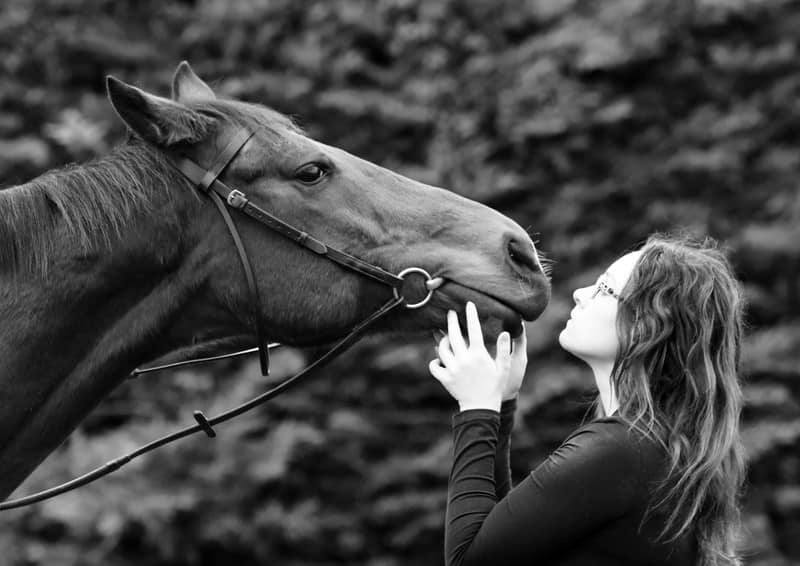
Sarah McLean with horse
Riding Coaching

Rebuilding Confidence After a Fall

The Situation

An adult amateur rider had experienced a fall from her mare six months prior and hadn't been able to return to canter work since. Despite being an experienced rider, the fall had shaken her confidence deeply — and the anxiety she brought to the saddle was transferring to her horse, making the mare increasingly tense and resistant.

The Approach

Sarah worked with the rider over a series of weekly sessions, beginning not with canter at all, but with rebuilding the rider's physical balance and mental calm at trot. Understanding the neurological and biomechanical basis of the rider-horse tension relationship informed how the sessions were structured.

Sarah used slow, methodical progression — introducing canter preparatory work, then a single stride of canter, then short sequences — all within a framework where the rider felt genuinely in control of the pace and direction of progress. Nothing was pushed. Everything was explained.

The Progress

Within six weekly sessions the rider was cantering consistently on both reins in a calm, balanced shape. Her mare had visibly relaxed — a direct reflection of the change in the rider's own posture and tension levels. By the end of the season, the rider had entered and completed two unaffiliated dressage competitions — something she had thought was no longer realistic.

Horse Care & Schooling

Supporting a Busy Owner's Horse

The Situation

A professional working full-time owned a 9-year-old warmblood gelding stabled at a private yard. With increasing work commitments, she was able to ride only at weekends. Without regular work and stimulation, her horse had become sharp, difficult to handle and was beginning to lose topline condition.

The Approach

Sarah was engaged to visit four times per week — three morning care and exercise sessions plus one longer schooling session. She developed a structured programme in consultation with the owner, targeting the horse's specific needs: more consistent work, clearer structure in his daily routine, and a graduated flatwork programme.

The owner received brief written updates after each session, covering how the horse had felt and what was worked on — keeping her closely involved despite not being present. This transparency was central to building trust between owner, horse and professional.

The Progress

Within four weeks the horse had settled noticeably. His sharpness reduced as his expectation of daily structure improved. Topline began to develop as the consistency of schooling increased. By six weeks in, the owner was able to ride a markedly more relaxed and responsive horse at weekends, and their relationship improved significantly.

Ex-Racehorse Retraining

From the Track to the Dressage Arena

The Situation

A five-year-old off-the-track Thoroughbred arrived fresh from a racing yard. Sharp, highly reactive, and with no concept of standard flatwork aids, he represented exactly the kind of challenge that can overwhelm unprepared owners. His new owner had purchased him for his talent and temperament, but recognised quickly that specialist support was needed in the early stages.

The Approach

Sarah's background in racehorse care and management informed every early decision. The first weeks focused entirely on transition — reducing anxiety through routine, handling and groundwork rather than ridden work. Sarah understood what the horse was used to and was able to introduce new expectations gradually and logically.

Ridden work began with long, relaxed hacking to develop rhythm and forward movement in a non-pressured environment. Flatwork schooling was introduced incrementally — lateral responses first, then transitions, then outline work. The horse's natural athleticism meant progress, once trust was established, came quickly.

The Progress

Within three months the horse was being ridden confidently and consistently in a school environment. Within six months he had developed sufficient strength, balance and response to basic dressage aids to attempt his first Novice dressage test — which he completed with scores reflecting genuine potential.

Coaching & Competition Support

First Affiliated Dressage: Prepared and Confident

The Situation

An amateur rider and her seven-year-old horse had been competing successfully at local unaffiliated level and were ready to step up to their first affiliated dressage competition. The rider was technically capable but prone to competition nerves, and her horse — while genuinely talented — had a tendency to tighten through his back under pressure.

The Approach

In the four weeks leading up to the competition, Sarah worked with the rider in dedicated coaching sessions, focusing on the specific movements required in their chosen test and developing the rider's tools for managing her own tension in the saddle. Understanding the biomechanical relationship between rider anxiety and horse tension allowed Sarah to address both sides of the partnership simultaneously.

On competition day, Sarah arrived early to assist with plaiting and turnout. She warmed the horse up briefly before the rider took over, ensuring he was forward and relaxed before the test. She provided calm on-the-ground support throughout the warm-up and was present at the arena entrance.

The Progress

The horse and rider completed their first affiliated test in good style. The horse went forward and through, the rider remained calm and accurate, and the judge's feedback was encouraging. The experience gave the rider a strong foundation from which to build a competitive career at affiliated level.

Ready to See What's Possible?

Whatever your challenge — horse, rider, or both — get in touch to discuss how McLean Equine's professional, science-informed approach can help you move forward.

Get in Touch